Plumbing permit cost
Updated 2026-10-18 · 8 min read
How a fee schedule is built
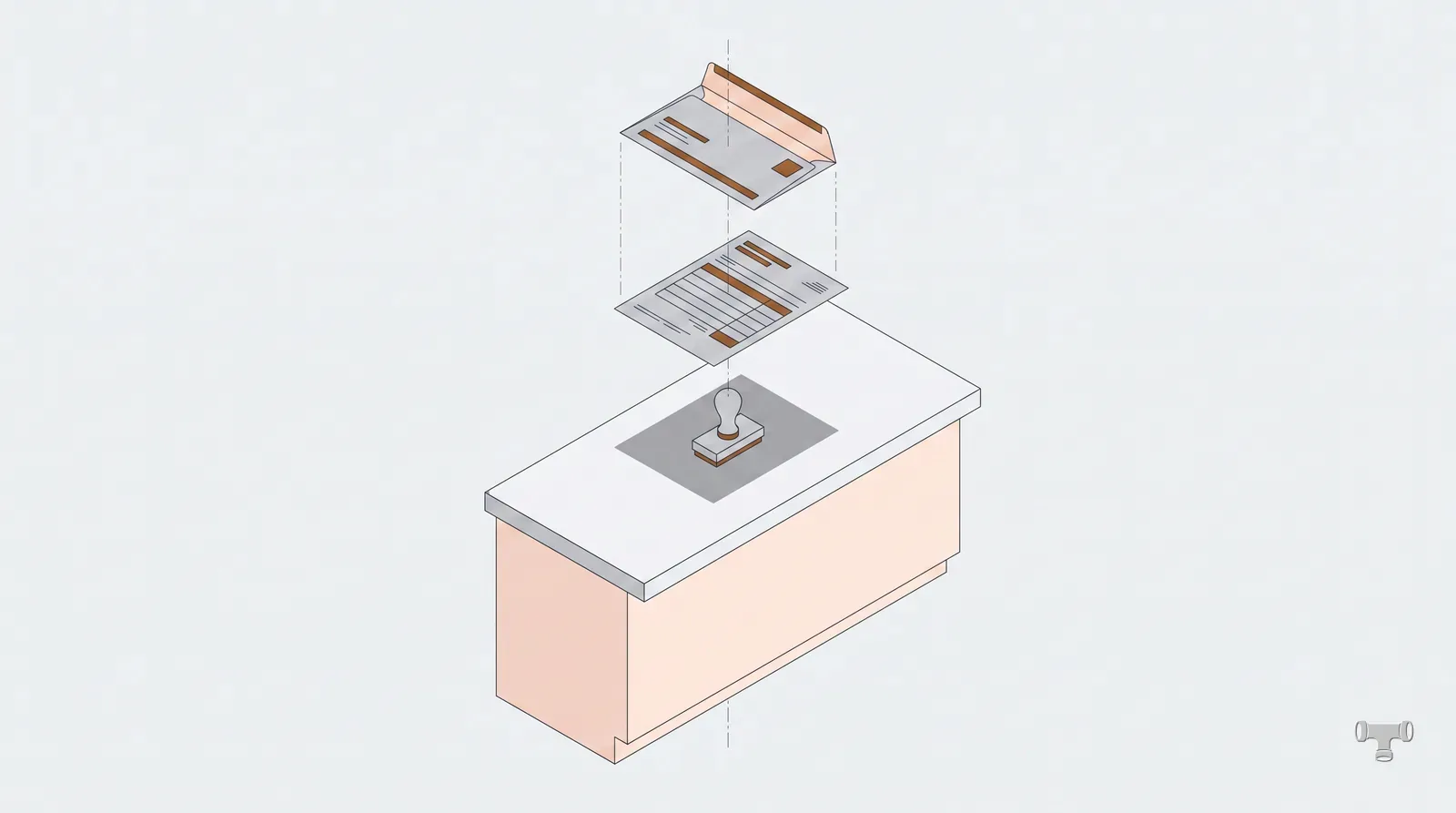
Almost every plumbing permit fee in the country is computed one of two ways, and knowing which one your jurisdiction uses tells you the fee before you call. Valuation-based schedules take a percentage of the declared job value, usually on a sliding scale. Fixture-count schedules charge a flat base plus an amount per fixture, trap or appliance.
| Model | How it is computed | Effect |
|---|---|---|
| Valuation | Base fee plus a percentage of declared value | Cheap on small jobs, scales with the invoice |
| Per fixture | Base fee plus $ per fixture or trap | Predictable, indifferent to your price |
| Flat by scope | One fee per named job type | Common for water heater replacements |
| Add-ons | Plan review, re-inspection, after-hours | Where an easy job gets expensive |
Never publish a national average
Finding yours in five minutes
- 1
Search the jurisdiction, not the state
Permits are issued by a city, a county or a state agency. Search the exact name plus "plumbing permit fee schedule".
- 2
Find the published PDF
Fee schedules are adopted by ordinance and published. If you are reading a third-party estimate instead, you are reading a guess.
- 3
Identify the model
Valuation or fixture count. That single fact lets you price every future job in that jurisdiction.
- 4
Read the add-ons
Plan review is often a separate percentage. Re-inspection fees are real and they are avoidable.
- 5
Note the expiry
Permits lapse. Most jurisdictions require inspection activity within six months.
When a permit is required
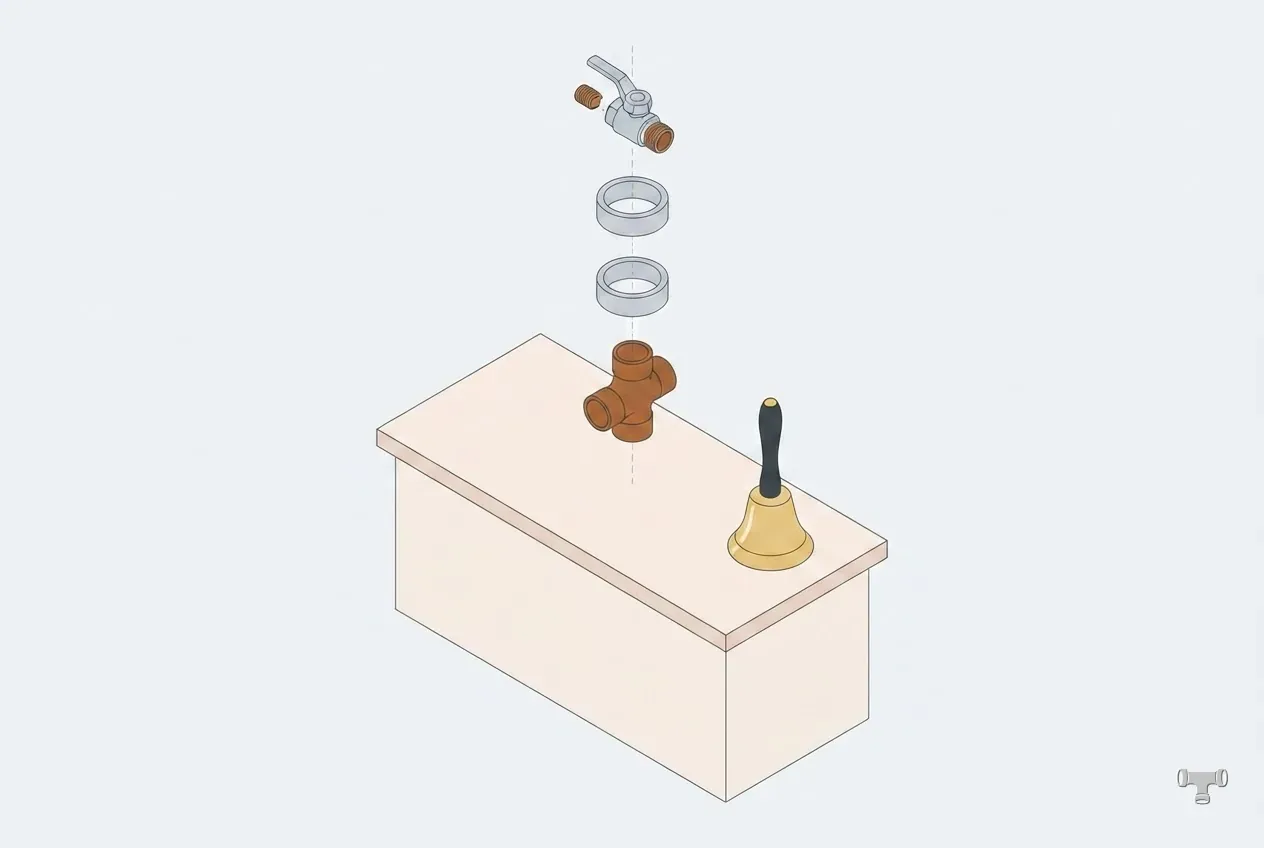
The reliable rule is that replacing a fixture in place is often exempt, and anything that changes the piping is not. New or relocated fixtures, water heater replacements, sewer or water service work, and all gas work are permitted in most jurisdictions. Swapping a faucet or a flapper is not.
The exemptions live in the administrative chapter, which is the part jurisdictions amend most heavily — so the general rule tells you when to ask, not what the answer is.
What skipping one actually costs
Three bills arrive later. An investigation fee on top of the permit itself: the IPC leaves the amount to the code official, and Portland, for one, bills it by the hour. The cost of opening finished work so it can be inspected. And, when the house sells, an unpermitted-work disclosure that either kills the price or gets fixed at your expense.
Insurers are the fourth. A claim traced to unpermitted work is a conversation nobody wants to have, and the permit fee is trivial next to it.
Code violation
Putting it on the invoice
Show the permit as its own line at the fee the jurisdiction charged, and say who pulled it. Marking a permit fee up as if it were material is the kind of detail that ends up in a review, and the amount involved never justifies it.
If your time to pull the permit is billable, that is a separate line with a name. Both lines are defensible; one line that hides the other is not.